By Rick Benson
About 85% of Americans have gambled, and most walk away after a loss. But for some, that loss can become the beginning of a cycle.
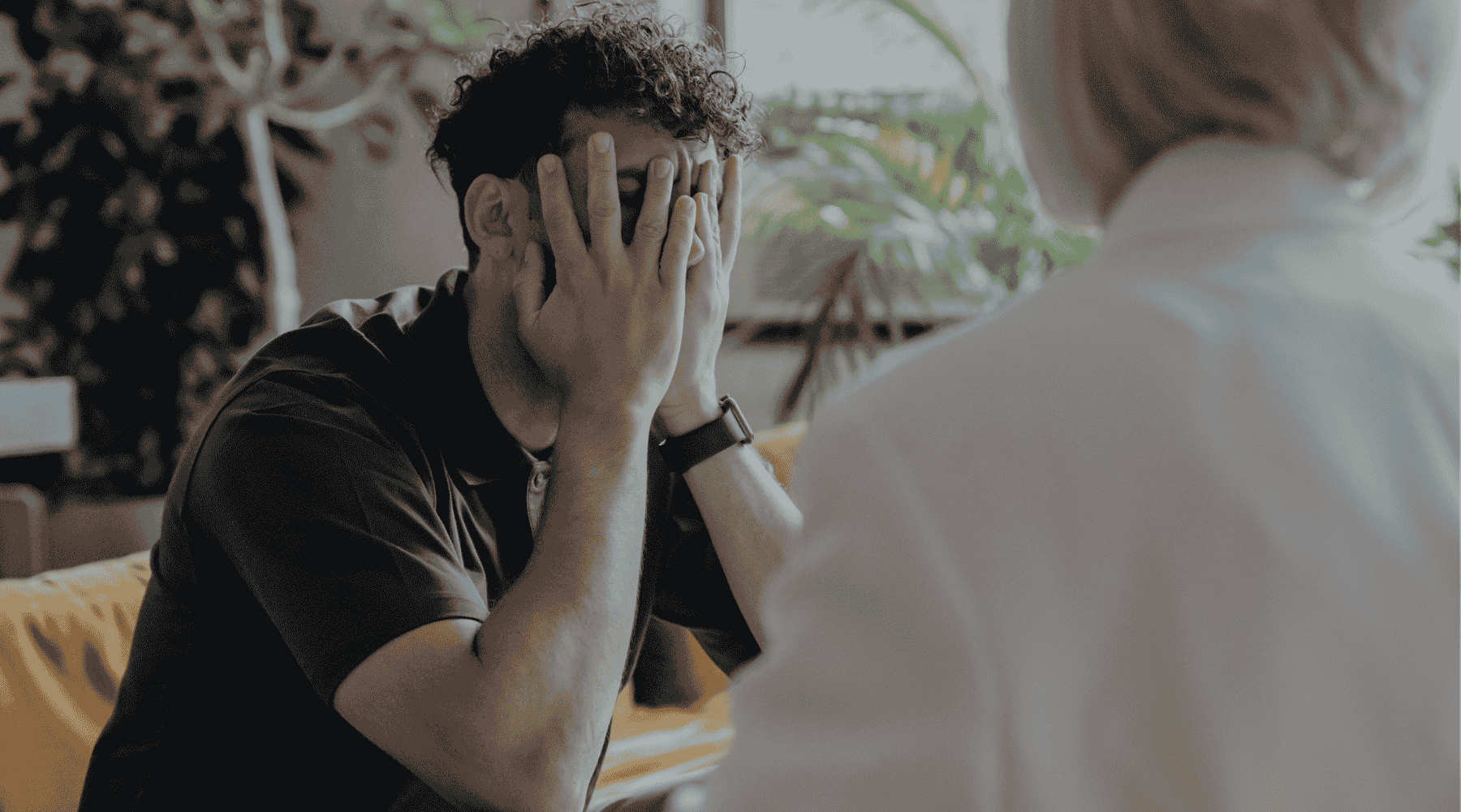
I’ve worked with hundreds of people who lost more than money that day. They lost their confidence, their peace of mind, and in some cases, strained their relationships with the people closest to them.
If you've just lost more than you could afford in gambling, the first thing to know is that what you're feeling right now is normal, and recovery is possible. In this guide, I'll walk you through what happens after a significant gambling loss, how long recovery typically takes, and the concrete steps that help people move forward.
How a Gambling Addiction Develops
Gambling addiction doesn't start with a loss. It starts with a win. The brain registers that dopamine hit, and over time, the gambler needs a bigger hit to feel the same reward. This is the winning stage. People feel in control, feel lucky, feel like they've found something.
Over time, the odds begin to work against you. Eventually, wins stop coming. The losing stage begins, often slowly, sometimes all at once. The gambler tells themselves it's temporary, that the next bet will recover the loss. This is where chasing starts.
In the chasing stage, losses mount quickly. I've seen people lose $40,000 over a single weekend chasing money that was already gone. The psychological pressure builds. They feel desperate and ashamed. This is where most people reach their breaking point, or they reach rock bottom
Hitting Rock Bottom: Losing All Your Money to Gambling
As a certified counselor and recovering gambler, I've heard countless stories from individuals who have hit rock bottom due to addiction. I have a similar story myself. I’ve lost jobs, and I’ve lost all of my money due to gambling. It got so bad that I even had to file for bankruptcy.
When you lose everything to gambling, it’s more than just financial devastation. It’s the emotional and psychological toll that can be truly crushing. At this stage, it’s easy to feel like there’s no way out. Many of my clients have felt the same way – as did I – but have managed to turn their lives around. The first step is understanding that it’s not too late. You can get over a gambling loss.
How Much Do People Lose Gambling?
This question matters because specific numbers validate what you're feeling. If you lost $5,000, you might think it's not 'that bad.' If you lost $40,000, you might think you're uniquely broken. The data puts this in perspective.
The average problem gambler accumulates approximately $55,000 in debt before seeking help. This figure includes debts from gambling itself plus debts taken on to cover gambling losses. Men average between $55,000 and $90,000, while women average around $15,000.
The variation depends on how long the addiction has progressed.
According to the most recent surveys, problem gamblers estimate losing a median of $16,750 annually, though severe cases involve dramatically higher losses. For comparison, recreational players lose about $500 per year, while at-risk gamblers average $3,000 annually.
What matters most is that your loss is real. Whether it's $2,000 or $200,000, it represents real money, real consequences, and real pain. The recovery path is the same regardless of the amount.
What to Do When Gambling Loss Sets In
When you are gambling and lose a large amount of money, it is only natural to start spiraling into panic and regret. Immediately after a gambling loss, it can feel like your whole world is crashing down. Here are a few things to do after a gambling loss occurs.
1. Acknowledge What You Are Feeling
It can be hard to think clearly right now. Your brain is flooded with stress hormones, shame, and panic. The first step isn't to fix anything. It's to stop and name what's happening.
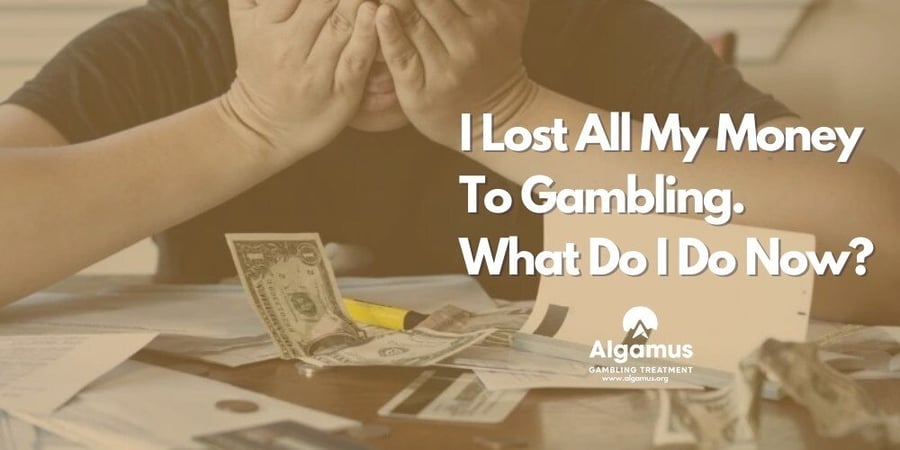
You lost money you couldn't afford to lose. That's real.
The fear you're feeling is appropriate. The shame is understandable. Acknowledging these feelings doesn't mean wallowing in them. It means treating them as real data, not as something to push through.
2. Be Gentle With Yourself
This is where people sabotage themselves further. The shame convinces them they deserve punishment, so they make more reckless decisions. They gamble again to win it back. They hide the full truth from everyone. They drink. They don't sleep. Take a moment.
Whatever happened, punishing yourself further won't recover the money. It will only create more pain. You made a choice, and the consequences are real.
That doesn't make you a bad person. It makes you human.
3. Open Up to Someone
Isolation feeds gambling addiction. Shame thrives in silence. You need at least one person who knows the full truth. This might be a spouse, a close friend, a therapist, or someone from Gamblers Anonymous.
Whoever it is, they need to know not just that you lost money, but that you're struggling with gambling. This person becomes your accountability and your lifeline.
%20(2).jpg)
4. Take an Extended Break from Gambling
Not forever necessarily. Not yet. But starting right now, for the next 30 days, don't gamble. Don't buy lottery tickets. Don't go to the casino. Don't accept 'just one bet' from a friend. Your brain is flooded with stress and shame, and stress and shame make the urge to gamble stronger. You need this break to stabilize.

How to Get Over Gambling Loss
Getting over a gambling loss means accepting a hard truth: the money is gone. There’s no reliable strategy to recover it, no system, and no one-time win that will fix it. When you accept this, you stop burning emotional energy on denial, and you start building recovery.
Second, accept that the odds are always against you. Casinos exist because the mathematics favor the house. Slot machines return 85 to 95 cents for every dollar wagered, long-term. Sports betting odds are set so that the sportsbook profits. Online poker rooms take a percentage of every pot. The game isn't designed for consistent wins. Once you truly believe this, gambling becomes much less appealing.
Third, if you have a set amount you've designated for entertainment gambling, cut it off completely. That fund is gone. You've proven that you can't manage it the way a recreational gambler does. Most people with gambling problems can't go back to casual gambling. The brain remembers the rush. The addiction lies dormant, but present. For many people, the safest path is abstinence.
Can You Get Your Gambling Losses Back?
People often ask this in the first days after a loss. They're looking for a refund, a chargeback, a legal angle, a way to undo the decision. I understand why. The answer is complicated but important: in most cases, no.
If you gambled at a licensed, legal casino or with a regulated sportsbook in your jurisdiction, you have no legal claim to recover your losses. You made a voluntary transaction. They took your money. That's the agreement. There's no 'change of mind' refund.
If you gambled on an unregulated or illegal offshore site, you have even less recourse. These sites have no obligation to refund anything. If you can't reach them, that's by design.
There is one narrow exception: if you can prove fraud or if a casino knowingly violated licensing regulations. This is rare, requires documentation and legal counsel, and takes months or years. It's not a path for immediate recovery.
For tax purposes, gambling losses can sometimes offset gambling winnings on your tax return if you itemize deductions, but this only helps if you had significant winnings in the same year.
The practical answer: your money is gone. Accepting this is hard. But it's the foundation of actual recovery. Once you stop looking backward, you can start building forward.
Financial Recovery After Gambling Losses
Financial recovery from gambling loss is the longest part of recovery. Most people with gambling debt stabilize financially within 12 to 18 months with consistent effort. But this doesn't mean the debt disappears. It means you have a plan, you're executing it, and you can see progress.
Step 1: Take Inventory
Write down exactly how much you lost to gambling and what debts you now carry as a result. Credit card balances. Loans from family. Borrowed from friends. How much you owe your spouse, if applicable. Don't minimize or round down. Write the real number. This can be painful, but it’s an important step. You can't navigate out of a place you refuse to see clearly.
Step 2: Build a Realistic Budget
Figure out your actual monthly income and actual essential expenses: housing, food, utilities, transportation, minimum debt payments. Be rigorous. Many people discover they're broke because they've been using gambling as an escape from the reality of their finances. That reality doesn't change just because you stop gambling.
Next, identify money you can redirect toward debt. This might mean cutting entertainment expenses, renegotiating bills, or picking up extra work. Even an extra $200 a month compounds significantly over 18 months.
Step 3: Prioritize Debt by Category
Pay minimums on everything. For high-interest debt (credit cards, payday loans), prioritize aggressively. For lower-interest debt or family loans, establish a payment schedule and stick to it. Contact creditors directly if you need to restructure payments. Most will work with you if you're transparent and consistent.
If you have significant debt and a low income, speak with a credit counselor through the National Foundation for Credit Counseling. They can help you understand debt consolidation, hardship programs, or debt settlement options without pushing you into bankruptcy.
Step 4: Protect Your Income
If access to money feels difficult to manage right now, it may help to limit it. Set up automatic transfers to cover essential expenses and debt payments. The money that remains isn't yours to gamble with. It's yours to live on, carefully. Some people find it helpful to have a trusted family member hold a debit card or manage accounts during early recovery.
If treatment is part of your recovery plan, verify what your insurance covers for gambling treatment before assuming it's out of reach - most commercial plans cover a portion.
The Emotional Toll: Depression, Shame, and Healing
Gambling losses cause real psychological damage. Problem gamblers experience major depression at three times the rate of the general population.
Depression is present in up to 75 percent of people with pathological gambling.
This depression isn’t a character flaw. It’s part of what many people experience in recovery. The dopamine dysregulation from gambling addiction doesn't just disappear when you stop gambling. Your brain has been chasing intense rewards. Now everything feels flat. Food tastes like nothing. Music feels distant. People feel like they're talking to you underwater.
Shame is different. Shame is the feeling that you're fundamentally broken, that you should have known better, that you deserve this. Shame tells you to hide. Shame tells you to gamble again just to feel something. Shame often plays a powerful role in keeping the cycle going.
Here's what I've learned: shame requires secrecy. It cannot exist in the presence of honest conversation. The moment you tell someone the real truth about your losses, about your addiction, about how bad it got, shame loses its power. It doesn't disappear instantly. But it loses its grip.
If you're experiencing suicidal thoughts, call the National Suicide Prevention Lifeline at 988. If depression is deep and unrelenting after 30 days sober, talk to a doctor. Therapy specifically for gambling addiction can accelerate emotional recovery significantly.
What to Do if You Feel Like Gambling?
The urge to gamble returns. For some people, it returns within hours. For others, it takes days. When it arrives, here are the tools that work:
First, talk to someone. Call the person who knows about your addiction. Call the Gamblers Anonymous hotline. Even if you're embarrassed. Even if you just talked to them yesterday. The conversation breaks the isolation and reminds you why you're not gambling.
Second, use a mindfulness technique. Notice the urge without acting. "I'm having the thought that gambling would feel good right now. It’s a thought, not something you have to act on. I'm going to sit with it for five minutes and watch it pass." Most urges last 10 to 20 minutes. If you can sit with it without acting, it will fade.
Third, move your body. Go for a walk. Do push-ups. Go to the gym. The urge to gamble is a spike in arousal. Physical activity metabolizes that spike. Many people find intense exercise cuts the urge in half.
Fourth, use gambling blockers on every device you own. GamBan blocks 99% of gambling sites and can be installed on phones, tablets, and computers. Gamblock works similarly. These aren't perfect tools, but they add friction. They force you to make a deliberate choice rather than acting on impulse.
Fifth, use self-exclusion programs. Programs like GAMSTOP let 84% of users report feeling safer and more in control. These programs ban you from licensed gambling sites for a period you choose. You cannot reverse this during the period. This removes the option when impulse strikes.
Finally, visualize what happens if you gamble. Not the win you’re hoping for. The actual likely outcome: the money is gone, the shame returns, you're back to square one. Keep this image real and present. Let it be the override to the fantasy of winning it all back.
Tips to Quit Gambling Long-Term
Get to the Root of the Addiction
Gambling addiction usually isn't really about gambling. It's about what gambling does: it numbs emotional pain, it creates the feeling of control when life feels chaotic, it provides an escape when depression or anxiety is overwhelming. If you quit gambling but don't address what it was treating, you'll either relapse to gambling or develop a different addiction.
This is where cognitive behavioral therapy (CBT) is most effective. CBT helps you identify the thoughts and feelings that trigger gambling and teaches you alternative responses. Research shows CBT significantly reduces gambling disorder severity and frequency, with effects sustained for up to 24 months after treatment.
Find Things That Bring You Joy
This isn't about replacement therapy or forced happiness. It's about remembering that non-gambling activities exist and that they can feel good. Some people haven't experienced genuine joy outside of gambling for years. They need permission to explore: music, exercise, time with family, building something, learning something, helping someone. None of these will feel like gambling did. They'll feel subtler and more real.
Get Treatment for the Gambling Problem
This might be individual therapy, group therapy, residential treatment, or Gamblers Anonymous. Each has evidence of effectiveness. What matters most is choosing a path and staying committed to it. Individual therapy works best when combined with a peer support community like Gamblers Anonymous. Research on CBT paired with Gamblers Anonymous shows the best outcomes.
If you have moderate to severe addiction, residential treatment programs can give you structured space away from triggers to heal and learn new patterns.
Frequently Asked Questions
How long does it take to recover from gambling losses?
Financial recovery takes 12-18 months with consistent effort. Emotional recovery often extends 2-3 years. The first 90 days are the most critical, the hardest period psychologically. Most relapses occur at 30, 90, or 180 days.
Can I recover the money I lost gambling?
In most cases, no. Your money was a voluntary transaction. No refunds apply. Focus your energy on earning back what you lost and preventing future losses, rather than trying to recover the past.
What if I have already tried to quit and relapsed?
Relapse is common. About 40-60% of people in recovery from behavioral addictions relapse within the first year. This doesn't mean treatment failed. It means you need additional support or a different approach. Increase meeting frequency, add therapy, install blockers, tell more people. Relapse is part of recovery, not the end of it.
How do I explain gambling losses to my family?
Be honest and take responsibility. Don't minimize. Don't make excuses. Say: I have been gambling and I have lost money. I am getting help for this. Here is what will happen next. Their reaction may be strong. Your job is not to defend yourself but to show them you are taking action to change.
When is it safe to gamble recreationally again?
For most people with a history of gambling problems, the safest answer is never. Some people can return to controlled gambling. Most cannot. The brain remembers the rush. If you are considering it, consult with a therapist who specializes in gambling addiction. But be honest first: most people asking this question are looking for permission to gamble again.
Where can I get help right now?
Call the National Problem Gambling Helpline at 1-800-522-4700 (free and confidential). Text 'problem' to 800-522-4700. Contact the National Council on Problem Gambling for resources. Join Gamblers Anonymous or find a therapist specializing in gambling addiction.
Contact Algamus Gambling Counselors for professional guidance.
Recovery from gambling loss isn’t about getting the money back. It’s about finding your way back to yourself. It's about stabilizing financially, processing the shame, finding what drives your urge to gamble, and rebuilding the life you lost in the process.
The first days are the hardest. Recovery is a long path, but it's a rewarding one. Most people who reach this point and commit to the work emerge stronger, more honest, and more grounded than they were before.